
Expulsion in the Philippines: Article 127 Guide

Philippine Legal Guide Article 127 is a specialized criminal-law topic that requires careful attention to the exact conduct alleged, the authority involved, and the supporting records. This guide gives a practical overview of the first issues people usually review. Legal ConsultationContact the Office Why the Official Record Matters When an abuse-of-authority issue is alleged, the […]
Delaying Release in the Philippines: Article 126 Guide

Philippine Legal Guide Article 126 is often discussed when someone believes a release was not carried out properly or on time. This guide summarizes the practical issues people usually gather before asking counsel to review the case. Legal ConsultationContact the Office What People Usually Review First The key questions usually involve the release order, the […]
Arbitrary Detention in the Philippines: Article 124 Guide

Philippine Legal Guide Article 124 is often discussed when a detention issue is alleged to be unlawful. This guide gives a practical overview of the documents, timeline issues, and legal review points people usually examine first. Legal ConsultationContact the Office Why the Timeline Matters Detention-related cases often turn on exact dates, times, custody details, and […]
Is 100% Interest Per Year on a Loan Illegal in the Philippines?

Consumer Law Guide Is 100% Interest Per Year on a Loan Illegal in the Philippines? Very high interest rates often lead to disputes about fairness, enforceability, penalties, and collection tactics. This guide explains the practical issues people usually examine before paying, renegotiating, or suing. Legal Consultation Corporate & Commercial Law Hub Is There a Legal […]
Credit Card Collection in the Philippines: What Borrowers Should Know
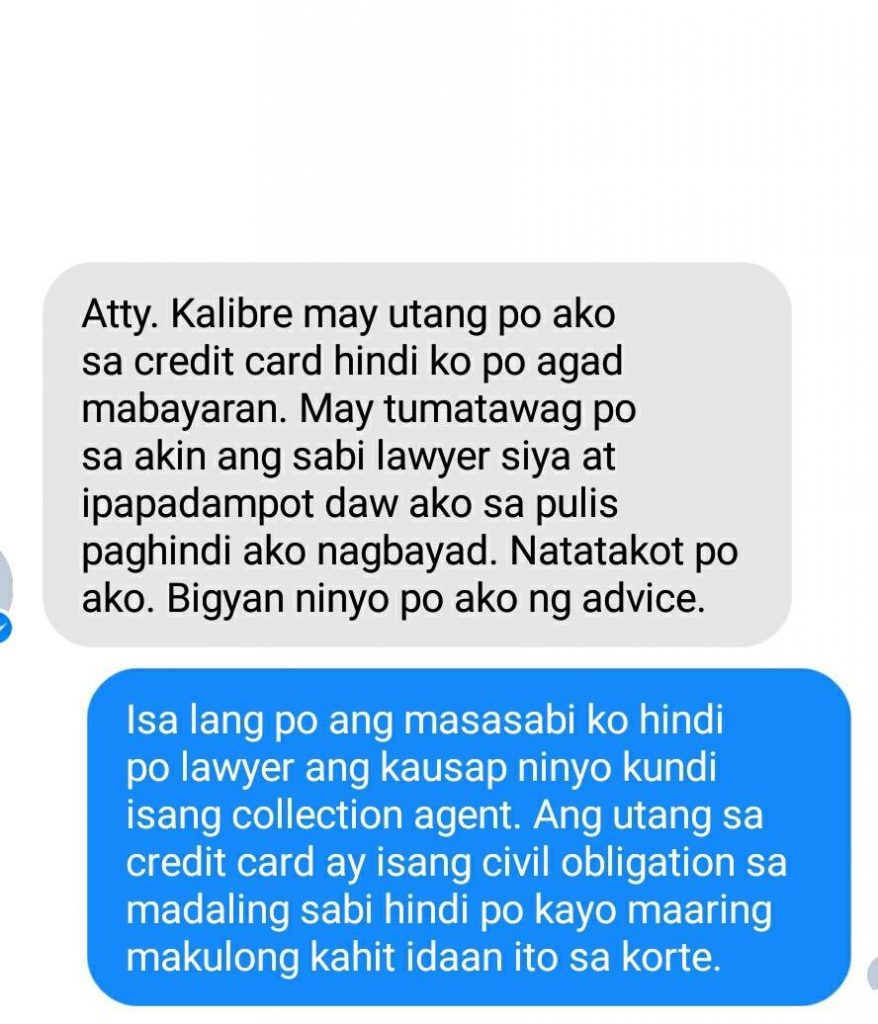
Consumer Law Guide Credit Card Collection in the Philippines: What Borrowers Should Know Collection letters and calls can become stressful quickly. Knowing your rights and the proper collection process helps you distinguish between legitimate collection efforts and harassment. Legal Consultation Corporate & Commercial Law Hub How Credit Card Collection Works When a credit card account […]
Small Claims in the Philippines: Practical Guide for Money Claims
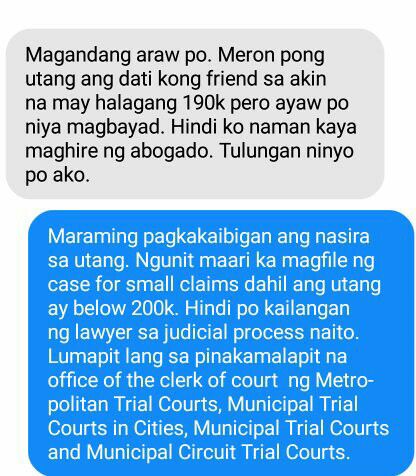
Philippine Legal Guide Small claims cases are designed for straightforward money claims. This page explains the usual process, the documents people prepare, and practical next steps before going to court. Legal ConsultationContact the Office When Small Claims May Apply Small claims procedure is commonly used when a person wants to recover money without a full […]
What If a Deed of Absolute Sale Was Forged in the Philippines?
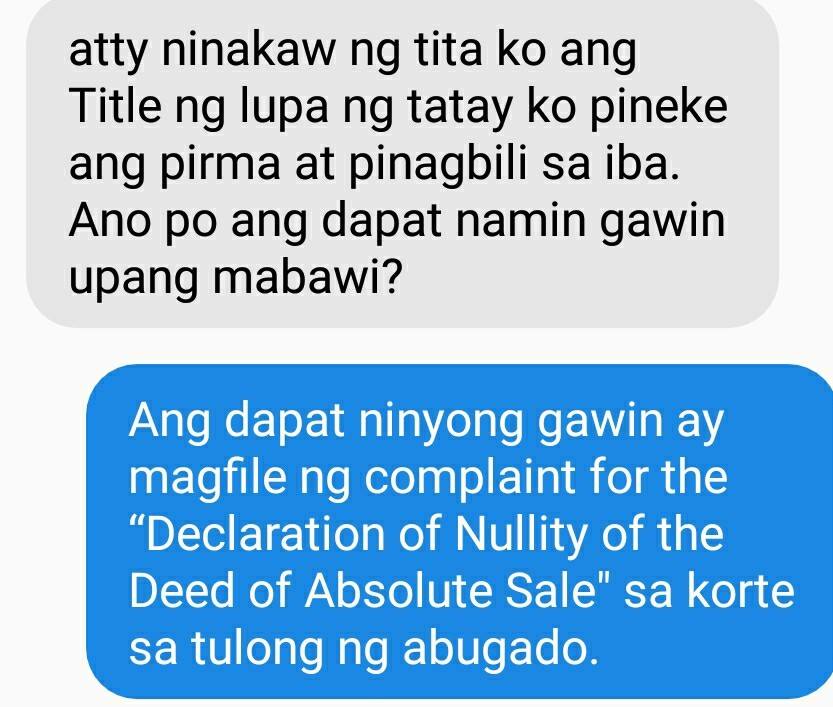
Forgery allegations often require urgent document review If a signature on a deed of absolute sale was allegedly forged, the situation may involve both civil and possible criminal issues, depending on the facts and evidence. Why Immediate Review Matters Cases involving alleged forgery, title transfers, or unauthorized sale of property can become more complicated if […]
Can Another Person Assume My Car Loan in the Philippines? A Practical Guide
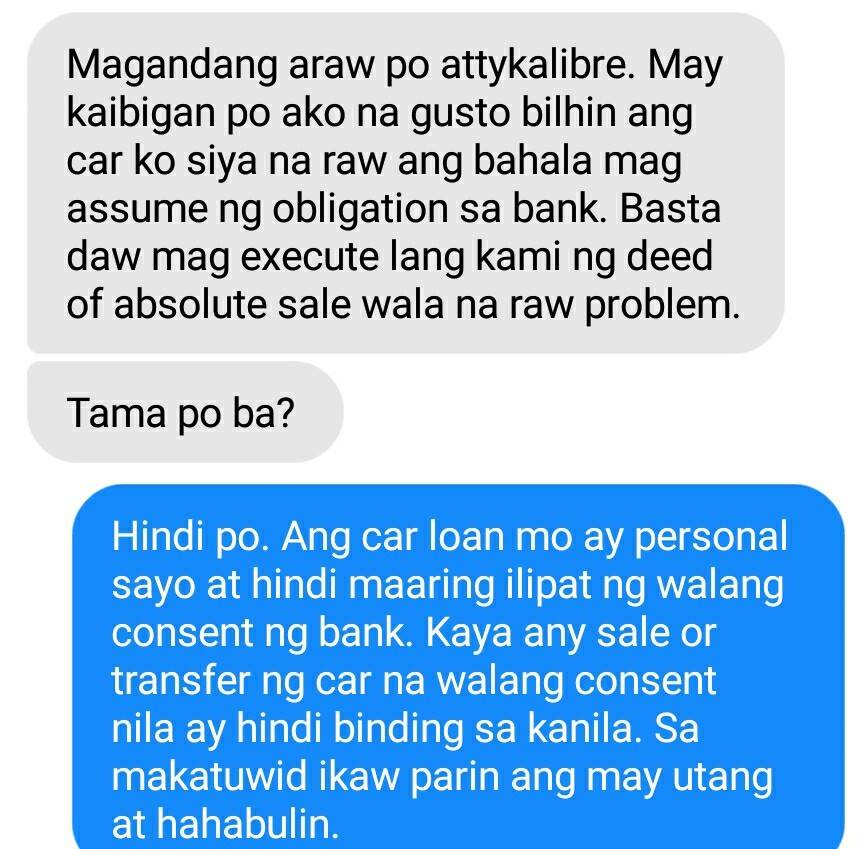
Consumer Law Guide Can Another Person Assume My Car Loan in the Philippines? A private arrangement between borrower and buyer is not always enough to transfer a car loan obligation. This guide explains the usual issues people check before handing over the vehicle or payments. Legal Consultation Corporate & Commercial Law Hub Can Someone Take […]
Understanding the AP-PMS Requirements: A Comprehensive Guide to Marriage Laws in the Philippines
Marriage laws in the Philippines offer unique flexibility in their approach, as indicated by Article 6. Unlike many global jurisdictions, Philippine matrimonial law does not mandate a particular form or religious ceremony for a marriage to be solemnized. The simplicity of a written agreement, signed between the couple in front of a judge and two […]
Family Code of the Philippines:Requisites of a Valid Marriage
Art. 1, FC. Marriage is a special contract of permanent union between a man and a woman entered into in accordance with law for the establishment of conjugal and family life. It is the foundation of the family and an inviolable social institution whose nature, consequences, and incidents are governed by law and not subject […]