
Spousal Support After Infidelity in the Philippines: Does the Wife Still Have a Right?

Family Law Guide Spousal Support After Infidelity in the Philippines A spouse’s infidelity, while a serious breach of trust, does not automatically extinguish the other spouse’s right to receive support. Philippine law treats support obligations as a continuing duty rooted in the marriage itself. Legal Consultation Family Law Hub Does a Spouse Who Leaves Because […]
Suing the City Government for Injuries from an Open Manhole in the Philippines
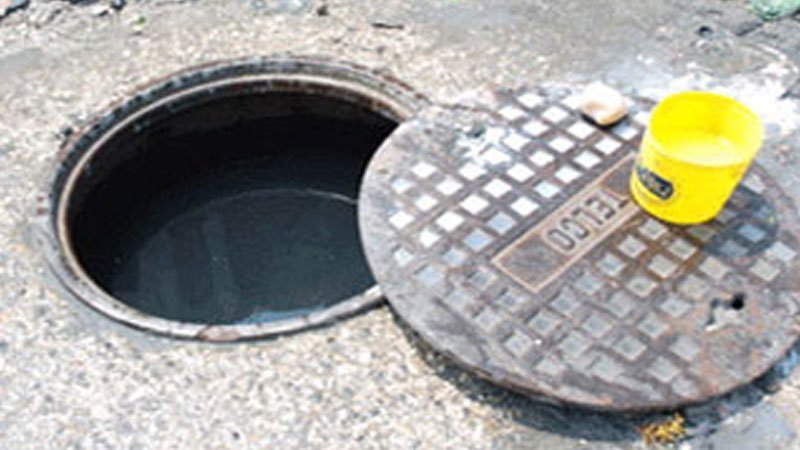
Civil Law Guide Suing the City Government for Injuries from an Open Manhole Yes, the city or municipality may be held liable for injuries caused by defective roads or public works under Article 2189 of the Civil Code. But proving liability requires showing the government entity had control over the area. Legal Consultation Corporate & […]
Lesbian relationships are also covered by Republic Act (RA) 9262

Q. Is lesbian relationship covered by Republic Act (RA) 9262, otherwise known as the Anti-Violence Against Women and Their Children Act of 2004 (VAWC)? Yes. Lesbian relationships are also covered by Republic Act (RA) 9262, otherwise known as the Anti-Violence Against Women and Their Children Act of 2004 (VAWC). Section 3(a) of the law defines violence against women and their children as “any act or a series of acts committed by any person against a woman who is his wife, former wife, or against a woman with whom the person has or had a sexual or dating relationship, or with whom he has a common child, or against her child whether legitimate or illegitimate, within or without the family abode, which result in or is likely to result in physical, sexual, psychological harm or suffering, or economic abuse including threats of such acts, battery, assault, coercion, harassment or arbitrary deprivation of liberty.” As explained, It may, as well be done to a female with whom the individual has or had a sexual or dating relationship.’ evidently the usage of the gender-neutral term ‘person’ who has or had a sexual or dating relationship with the female includes even lesbian relationships.” Clearly being a lesbian will not hinder the filing a criminal case under RA 9262. Need Help With Your Situation? This article provides general legal information. If you need case-specific guidance, message Attykalibre Legal Center privately. Message Us on Messenger Chat on WhatsApp Contact Page Legal Disclaimer The information on this page is […]
Right of first refusal of tenants or lessee in urban areas.

Dear Attykalibre, We are leasing on a monthly basis a land, for almost 20 years now. We were the one who built the house. It is located in Makati City. We learned from our neighbor that the house and lot are for sale for three million pesos. We expressed our willing to buy the property, but the land lord did not give any answer. We discovered later the property was sold to another person. The landlord maintains that she has the legal right to sell the house without offering it first to us. Is she right Monica Dear Monica, Presidential Decree (PD) 1517, precisely Section 6 adequately provides the essentials requisites in order that the provision of the law could be implemented to wit: a. leased land must be situated in an urban zone; b. Lessee should build his/her house on subject land; and c. He/She must be renting the said property continuously for ten years. In your case, all the requisites are present. For this reason, landowner does have the legal duty to give you the opportunity to buy it, if he plans to sell it, and you do have the right of first refusal in the case at hand. We wish that we could answer your inquiries. Need Help With Your Situation? This article provides general legal information. If you need case-specific guidance, message Attykalibre Legal Center privately. Message Us on Messenger Chat on WhatsApp Contact Page Legal Disclaimer The information on this page is for general legal information only and does […]
Economic Abuse Under RA 9262 in the Philippines: What It Is and How to Get Help
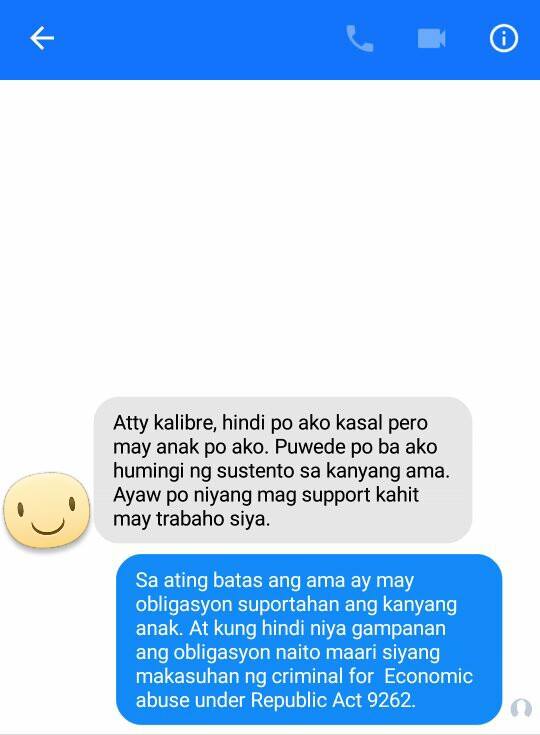
Family Law Guide Economic Abuse Under RA 9262 in the Philippines The Anti-Violence Against Women and Their Children Act (RA 9262) covers not only physical and sexual violence but also economic abuse. Many women do not realize that financial control and deprivation are forms of abuse. Legal Consultation Family Law Hub What Is Economic Abuse? […]
Credit Card Collection in the Philippines: What Borrowers Should Know
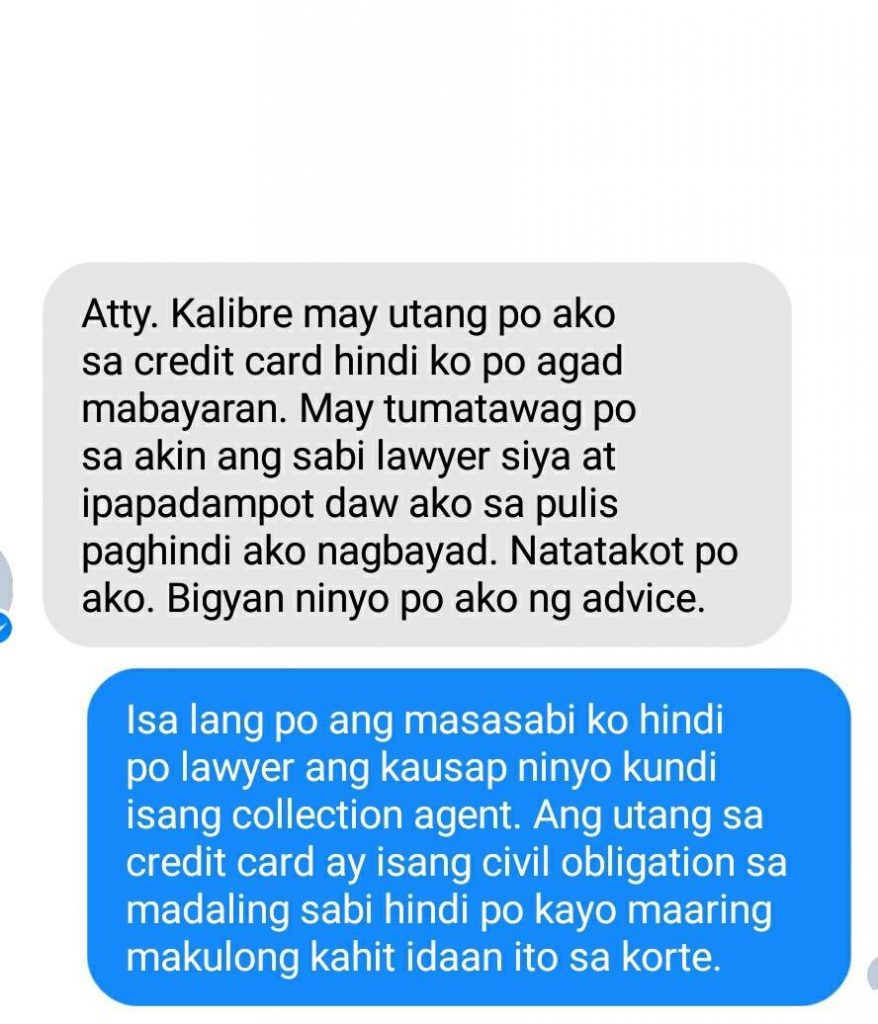
Consumer Law Guide Credit Card Collection in the Philippines: What Borrowers Should Know Collection letters and calls can become stressful quickly. Knowing your rights and the proper collection process helps you distinguish between legitimate collection efforts and harassment. Legal Consultation Corporate & Commercial Law Hub How Credit Card Collection Works When a credit card account […]
Small Claims in the Philippines: Practical Guide for Money Claims
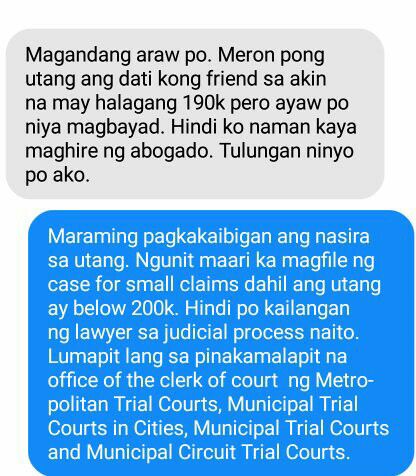
Philippine Legal Guide Small claims cases are designed for straightforward money claims. This page explains the usual process, the documents people prepare, and practical next steps before going to court. Legal ConsultationContact the Office When Small Claims May Apply Small claims procedure is commonly used when a person wants to recover money without a full […]
Verbal Abuse Under RA 9262 in the Philippines: When Words Become Violence
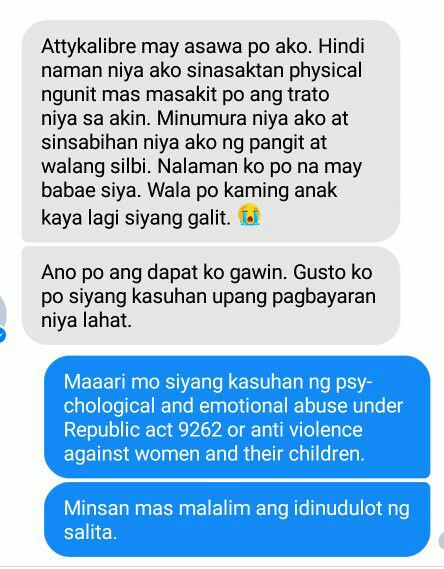
Family Law Guide Verbal Abuse Under RA 9262 in the Philippines Verbal abuse is a form of psychological violence under RA 9262. Words that demean, threaten, intimidate, or control are not just hurtful — they are illegal when committed against a woman or her child by a current or former intimate partner. Legal Consultation Family […]
Can Another Person Assume My Car Loan in the Philippines? A Practical Guide
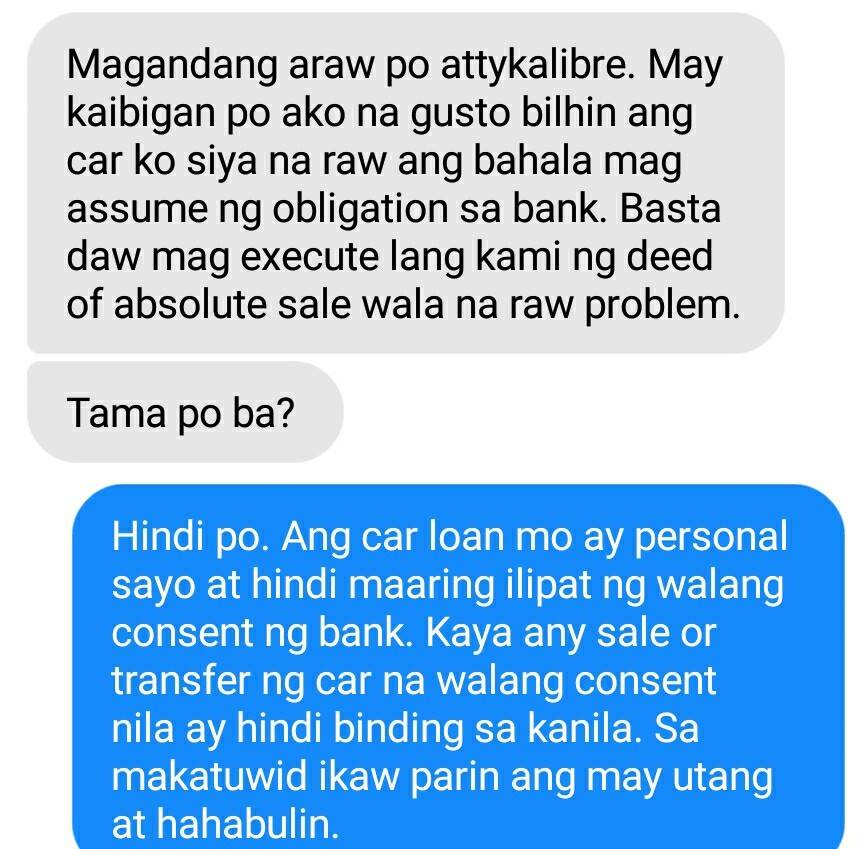
Consumer Law Guide Can Another Person Assume My Car Loan in the Philippines? A private arrangement between borrower and buyer is not always enough to transfer a car loan obligation. This guide explains the usual issues people check before handing over the vehicle or payments. Legal Consultation Corporate & Commercial Law Hub Can Someone Take […]
Civil Code of the Philippines: Surnames
Surnames are important for identification. Surnames identify the family to which aperson belongs (transmitted from parent to child). A name is a word or a combination by which a person is known or identified (Republicvs. Fernandez) Characteristics of Surnames1. Absolute – intended to protect from confusion2. Obligatory3. Fixed – can’t change at one’s leisure4. Outside […]