
What If a Deed of Absolute Sale Was Forged in the Philippines?
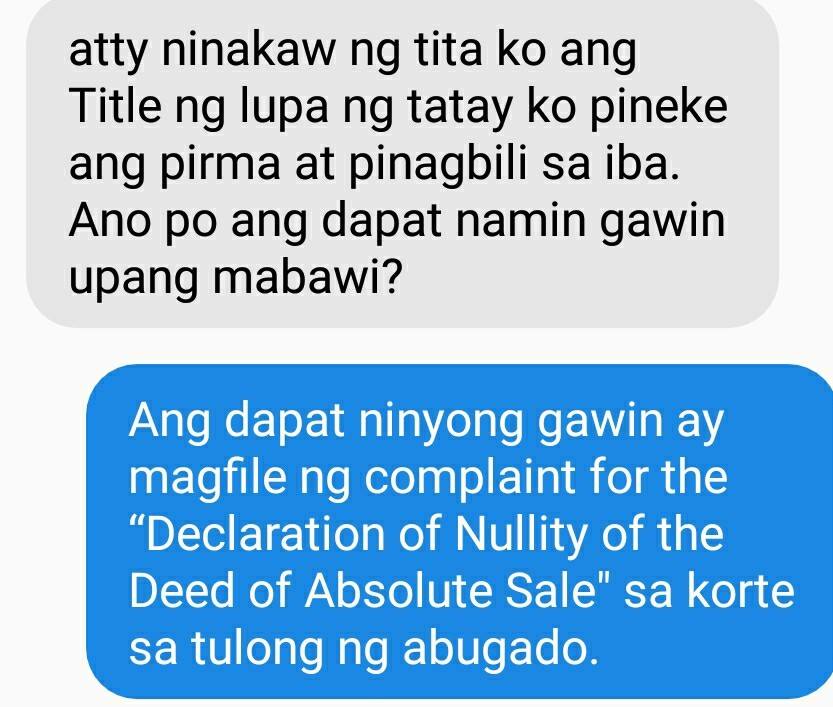
Forgery allegations often require urgent document review If a signature on a deed of absolute sale was allegedly forged, the situation may involve both civil and possible criminal issues, depending on the facts and evidence. Why Immediate Review Matters Cases involving alleged forgery, title transfers, or unauthorized sale of property can become more complicated if […]
Child Custody: Inang adik at nananakit
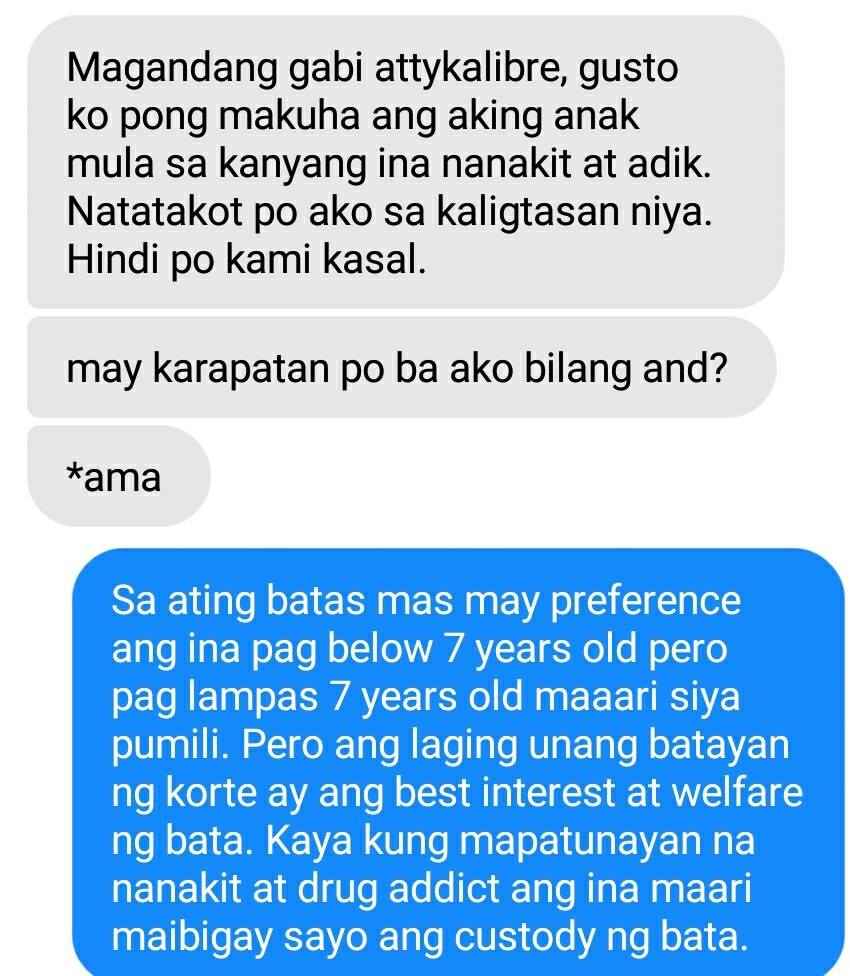
Q: Magandang gabi attykalibre, gusto ko pong makuha ang aking anak mula sa kanyang ina nanakit at adik. Natatakot po ako sa kaligtasan niya. Hindi po kami kasal. may karapatan po ba ako bilang ama? A: Sa ating batas mas may preference ang ina pag below 7 years old pero pag lampas 7 years […]
Nahuling May Kabit: Understanding Concubinage and Legal Options in the Philippines
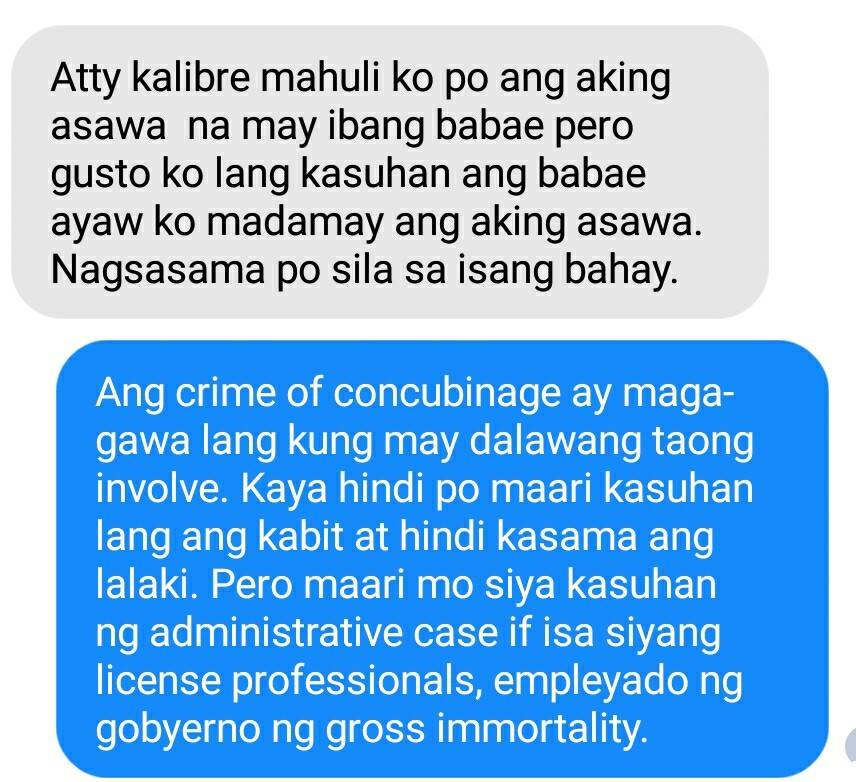
Family Law Guide Nahuling May Kabit: Understanding Concubinage and Legal Options in the Philippines Discovering that your spouse has been unfaithful is painful, but Philippine law provides specific remedies. Understanding concubinage and adultery — and how they differ — is the first step toward making an informed decision. Legal Consultation Family Law Hub What Is […]
How Long Does Annulment Take in the Philippines? Realistic Timelines
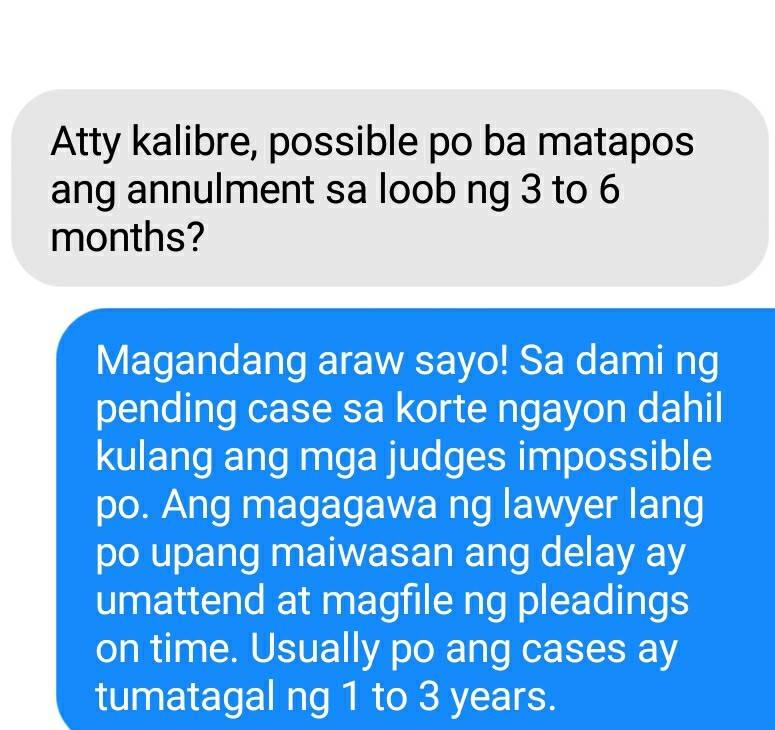
Family Law Guide How Long Does Annulment Take in the Philippines? Many people ask if annulment can be finished in 3 to 6 months. The realistic answer is that a Philippine annulment case typically takes 1 to 3 years from filing to finality, depending on several factors. Legal Consultation Family Law Hub Why Annulment Takes […]
Non-Appearance in Annulment Cases in the Philippines: What It Means
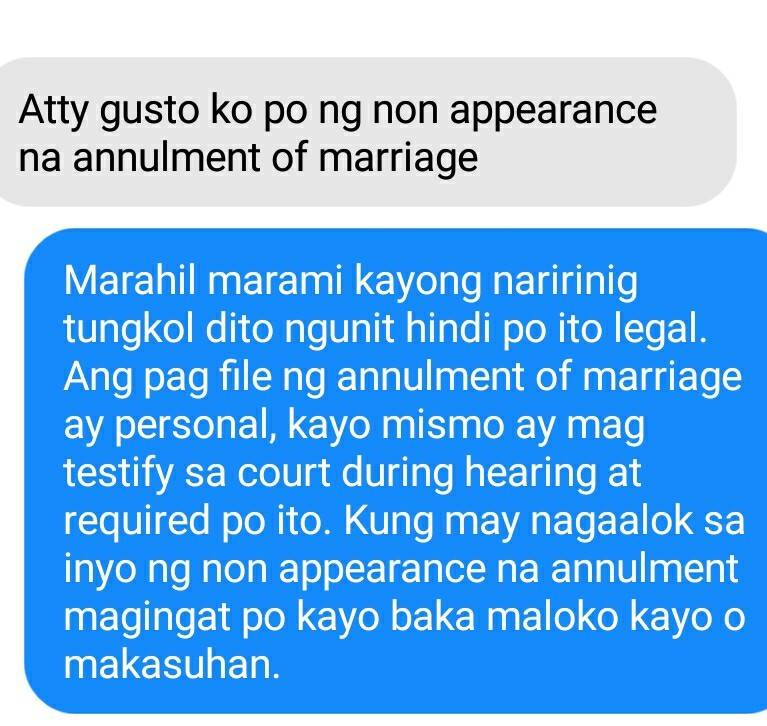
Free legal information When a party does not appear in an annulment case, it can affect how the court handles notices, hearings, and the presentation of evidence. This guide explains the usual issues people should understand. What non-appearance usually means Non-appearance usually means one party did not attend a scheduled hearing or did not take […]
Child Support in the Philippines: How Support Is Usually Determined

Free legal information Child support is meant to help meet a child’s needs. The amount and arrangement usually depend on the child’s needs and the parents’ actual ability to provide support. What child support usually covers Child support commonly relates to food, shelter, clothing, schooling, transportation, medicine, and other reasonable needs of the child. What […]
Presumptive Death in the Philippines: What It Means and How It Works
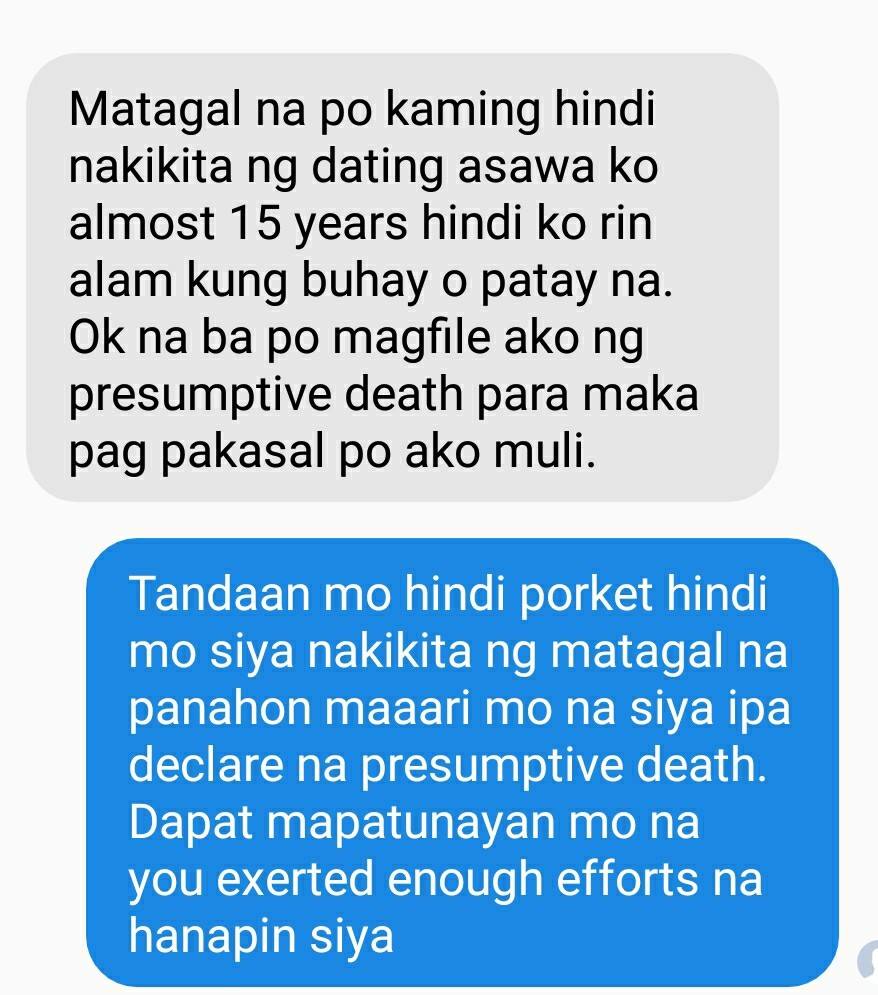
Family Law Guide Presumptive Death in the Philippines: What It Means and How It Works A spouse who has been absent for many years leaves the other in a difficult position. Philippine law provides a remedy through presumptive death — a legal recognition that allows the present spouse to remarry under certain conditions. Legal Consultation […]
Things to consider in Child Custody

Understanding Child Custody Laws for Illegitimate and Legitimate Children Illegitimate children are those conceived and born outside of a valid marriage. The laws surrounding parental custody and authority for these children are more straightforward – custody generally falls to the mother. This rule applies regardless of whether the child is a minor or not. However, […]
Understanding the AP-PMS Requirements: A Comprehensive Guide to Marriage Laws in the Philippines
Marriage laws in the Philippines offer unique flexibility in their approach, as indicated by Article 6. Unlike many global jurisdictions, Philippine matrimonial law does not mandate a particular form or religious ceremony for a marriage to be solemnized. The simplicity of a written agreement, signed between the couple in front of a judge and two […]
ESSENTIAL REQUISITES OF MARRIAGE:Consent freely given
People v. Santiago, (1927): A marriage entered into by a person whose real intent is to avoid prosecution for rape is void for total lack of consent. The accused did not intend to be married. He merely used such marriage to escape criminal liability. Eigenmann v. Guerra (1964): There was no reasonable and well-grounded fear […]